
What to Look for in a Creative Support Partner (Beyond Skills and Tools)
Choosing creative support isn’t just about technical ability or software knowledge. The right partner brings clarity, consistency, and a way of working that fits how your business actually operates.
When businesses look for creative support, the first things they often consider are skills and tools. Can this person design well? Do they know the right software? Can they produce content quickly?
While those factors matter, they’re rarely what determines whether a creative partnership actually works over time.
The real difference often comes down to how the work is approached, managed, and sustained — especially as the business grows and changes.
Skills get you started, systems keep things moving
Technical ability is the baseline. Without it, nothing else matters. But once that box is ticked, most creative challenges aren’t about whether someone can do the work — they’re about whether the work can be done consistently and with context.
A strong creative support partner brings:
An understanding of how creative work fits into the broader business
The ability to build on what already exists
Familiarity with systems, workflows, and repetition
This reduces friction and prevents the constant need to restart or re-explain.

Context matters more than speed
Fast turnaround can be useful, but speed without context often leads to disconnected output. Creative work improves when it’s informed by:
Brand direction and tone
Previous decisions and iterations
Where the business is heading next
A partner who understands context doesn’t just deliver assets — they help maintain continuity. Over time, this makes creative work easier, more aligned, and more effective.
Communication and collaboration are part of the service
Creative support isn’t just about delivering files. It’s about communication, feedback, and shared understanding.
A good creative partner:
Asks the right questions
Communicates clearly and realistically
Helps refine ideas, not just execute them
Is comfortable working collaboratively rather than transactionally
This kind of relationship leads to better outcomes than one-off task-based interactions.

Long-term fit over short-term convenience
Many businesses switch creative providers not because the work was poor, but because the relationship didn’t scale. As needs grow, expectations change, and complexity increases, short-term solutions often fall away.
Looking for long-term fit means considering:
How support will adapt as the business evolves
Whether the partner values consistency over novelty
If the working style aligns with how decisions are made
When creative support is treated as an ongoing function rather than a series of isolated tasks, it becomes easier to maintain momentum without burnout or constant change.
Choosing support that supports the business
The right creative support partner doesn’t try to impress with tools or trends. Instead, they focus on helping the business move forward steadily, with fewer disruptions and clearer direction.
Beyond skills and software, it’s this way of working that often makes the biggest difference over time.
If you’re considering ongoing creative support and want a partnership built around clarity, consistency, and collaboration, learn more about how we work on our Work With Us page.
Let us know what you think in the comments!
YOU MIGHT ALSO LIKE
Kent Dynamics
About Kent Dynamics
Kent Dynamics is a creative and content support business working with entrepreneurs and small businesses building digital products and online brands. We provide practical design, content, and media support through a collaborative, conversation-led approach.


Start with clarity
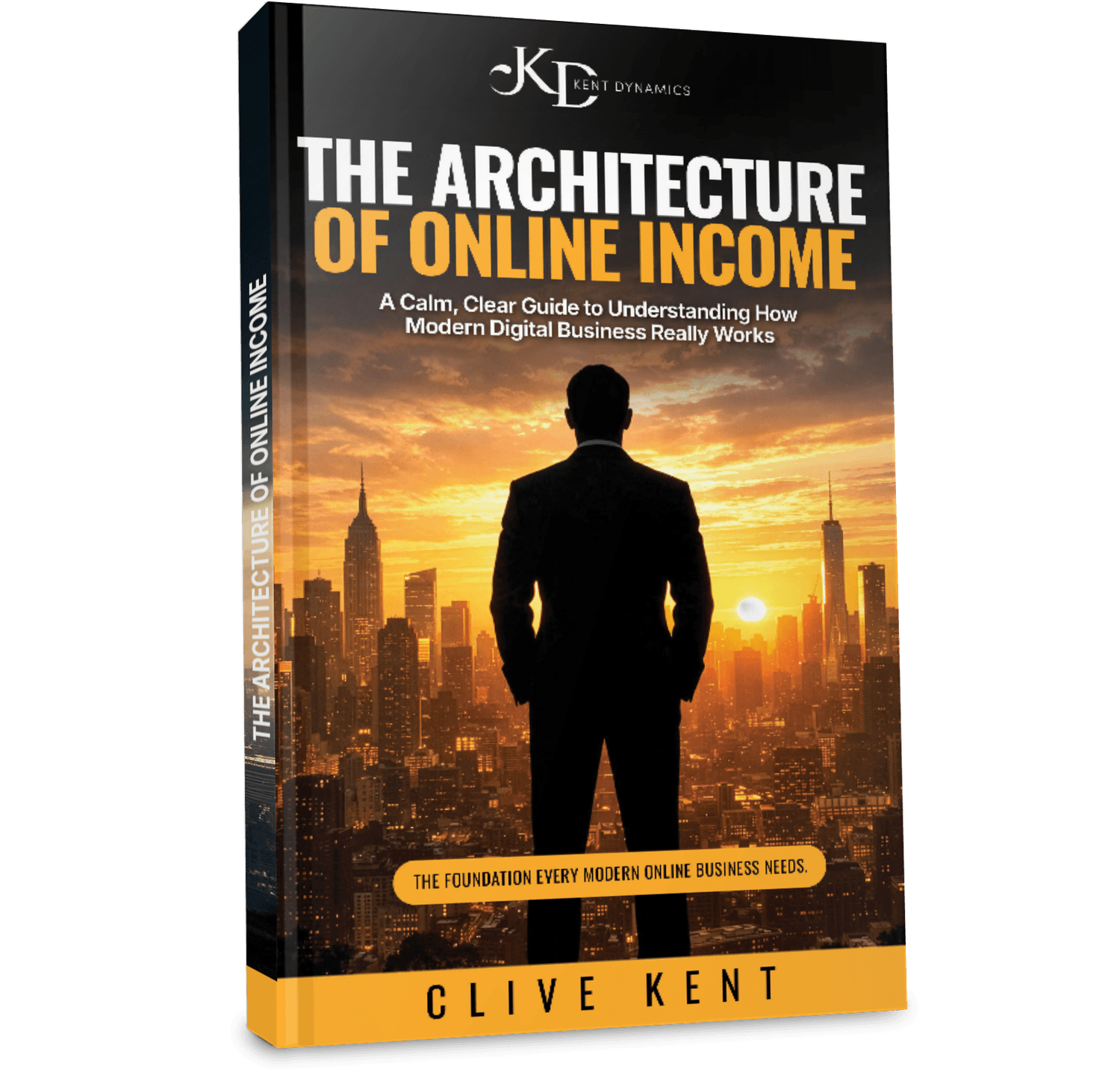
If you’re building a digital business and want a clear, practical understanding of how it all fits together, this short book will give you the foundation to move forward with confidence.
Clive Kent
Kent Dynamics (PTY) LTD provides creative and content support services to entrepreneurs and small businesses.
All products offered by Kent Dynamics (PTY) LTD are digital unless otherwise stated. No physical goods are shipped.
Operating in South Africa and serving clients internationally.
© 2026 Kent Dynamics (PTY) LTD. 2015/313859/07. All rights reserved.
Home | Disclaimer | Terms and Conditions | Privacy Policy
For enquiries: hello@kentdynamics.co.za